
Freeze Dryer vs Dehydrator: What’s the Difference?
Both freeze dryers and dehydrators remove moisture from food, but they work in very different ways and produce very different results. This guide explains the difference in process, product quality, shelf life, business value, and suitability for commercial use.
What this page will help you understand
- How dehydration and freeze drying actually differ
- Why the final product quality is not the same
- Where each technology fits in food processing
- Which option is more suitable for a premium food business
- Why freeze drying creates a different category of product
Why This Comparison Matters
Many people assume that freeze drying and dehydration are similar because both reduce moisture and help preserve food. However, the two processes are fundamentally different in how they remove water, how they affect product quality, and what kind of final product they create.
For home users, food startups, and commercial processors, understanding this difference matters because the right choice depends on whether the goal is basic drying or premium value-added preservation.
One important reality
A dehydrator and a freeze dryer may both remove water, but they do not create the same category of result. If the goal is premium appearance, stronger structure retention, better rehydration, and high-value product positioning, freeze drying offers a very different outcome.
How Each Process Works
The core difference begins with the drying method itself.
How a Food Dehydrator Works
A food dehydrator removes moisture using warm air circulated around the product. It is a heat-based drying method that gradually reduces water content over time.
Dehydrators are commonly used for basic fruit drying, vegetables, herbs, simple snack products, and lower-cost preservation methods.
How a Freeze Dryer Works
A freeze dryer first freezes the product and then removes moisture under vacuum through sublimation. Instead of evaporating water through heat, freeze drying removes ice under controlled low-pressure conditions.
This helps preserve structure, shape, color, aroma, texture recovery, and nutritional profile more effectively than conventional drying.
The Main Difference in One Simple Line
A dehydrator uses heat to remove water.
A freeze dryer uses freezing and vacuum to remove water.
That process difference is what leads to major differences in final product quality, appearance, texture, shelf life, and business value.
Freeze Dryer vs Dehydrator Comparison
This side-by-side comparison helps explain why the final product outcome is usually very different.
| Parameter | Freeze Dryer | Dehydrator |
|---|---|---|
| Drying Method | Freezing + vacuum + sublimation | Warm air / heat-based drying |
| Product Structure | Preserved better | More shrinkage and collapse |
| Color Retention | Usually better | Often reduced by heat exposure |
| Nutritional Retention | Generally better preserved | More affected by heating process |
| Texture | Light, crisp, porous, rehydratable | Chewy, dense, leathery, more compact |
| Shelf Life | Excellent with proper packaging | Good, but usually lower compared to freeze drying |
| Premium Product Appeal | High | Moderate |
| Business Value Addition | High | Moderate |
| Equipment Cost | Higher | Lower |
How the Final Product Differs
The most visible difference between freeze-dried and dehydrated products appears in the final appearance and texture.
Freeze-dried foods usually retain better shape, better color, lighter structure, faster rehydration, and a stronger premium feel. Dehydrated foods generally become more shrunken, darker, denser, chewier, and more affected by heat exposure.
Why this matters commercially
- Premium-looking products generally attract stronger market value
- Better structure retention improves product appeal
- Visual quality matters for direct-to-consumer and premium snack brands
- Product feel and appearance influence pricing power
- Freeze drying supports a more differentiated food category
Freeze Dryer vs Dehydrator for Commercial Food Business
The better option depends on the kind of product and business model you want to build.
Dehydrator May Suit
Low-cost dried products, traditional drying applications, simpler preservation goals, and lower entry investment models where premium structure retention is not the main priority.
Freeze Dryer May Suit
Premium snack brands, value-added food products, export-oriented products, ingredient-grade premium products, longer shelf-life specialty foods, and higher-margin business models.
Products Where Freeze Drying Offers Strong Advantage
Products where shape, color, structure, and premium positioning matter usually benefit more from freeze drying than ordinary dehydration.
Strawberries
Strong visual appeal and premium snack positioning benefit greatly from freeze drying.
Mango
Useful for premium fruit snacks, ingredients, and differentiated food product formats.
Banana
Freeze drying helps create a light, crisp product rather than a dense conventional dried texture.
Peas & Corn
Structure retention and ingredient-grade quality can be stronger under freeze drying.
Herbs & Specialty Products
Freeze drying can support better preserved appearance, aroma, and premium presentation.
Why a Freeze Dryer Costs More Than a Dehydrator
A freeze dryer is a more advanced process system involving freezing, condenser design, vacuum system, heating control, and chamber engineering. This makes freeze dryers more expensive than dehydrators.
However, the higher machine cost also supports a different class of final product with stronger value addition potential.
Why the cost difference exists
- Freeze drying is a more complex process system
- Vacuum and condenser systems increase engineering complexity
- Controlled process design affects performance and product outcome
- The final product category is more premium and higher-value
How to Choose the Right Option
The better question is not “Which machine is cheaper?” It is “What kind of product and business do I want to build?”
Choose a Dehydrator if
You want lower-cost drying, your product category suits heat-based preservation, premium structure retention is not critical, and you are making conventional dried products.
Choose a Freeze Dryer if
You want premium product quality, longer shelf life, better visual appeal, stronger value addition, and a more differentiated commercial product.
Choose Based on Business Goal
Machine selection becomes much clearer when the focus shifts from price alone to the type of product, brand, and market positioning you want to create.
Nutronicaa’s View on Freeze Drying vs Dehydration
Both technologies have their place, but they serve different markets. If the goal is basic food drying, a dehydrator may be enough.
If the goal is premium food preservation, longer shelf life, and high-value product development, freeze drying offers a much stronger platform. For entrepreneurs who want to build a differentiated food business, freeze drying creates a more premium and scalable opportunity.
Frequently Asked Questions
Some of the most common questions asked by buyers comparing freeze drying and dehydration.
Is freeze drying better than dehydration?
Is a dehydrator cheaper than a freeze dryer?
Which has better shelf life?
Can dehydrated food and freeze-dried food look the same?
Which is better for a premium food business?
Explore Nutronicaa Freeze Dryer Models
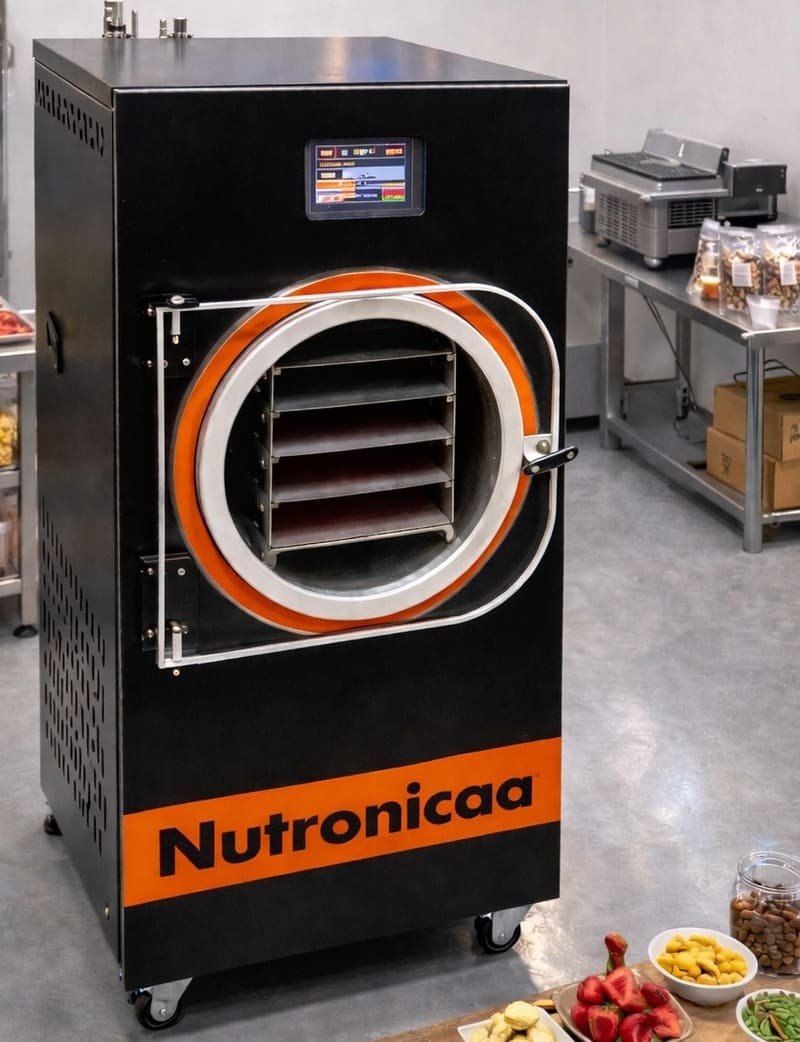
NT-4T Freeze Dryer
Compact freeze dryer suitable for product trials and small-batch food product development.
View Product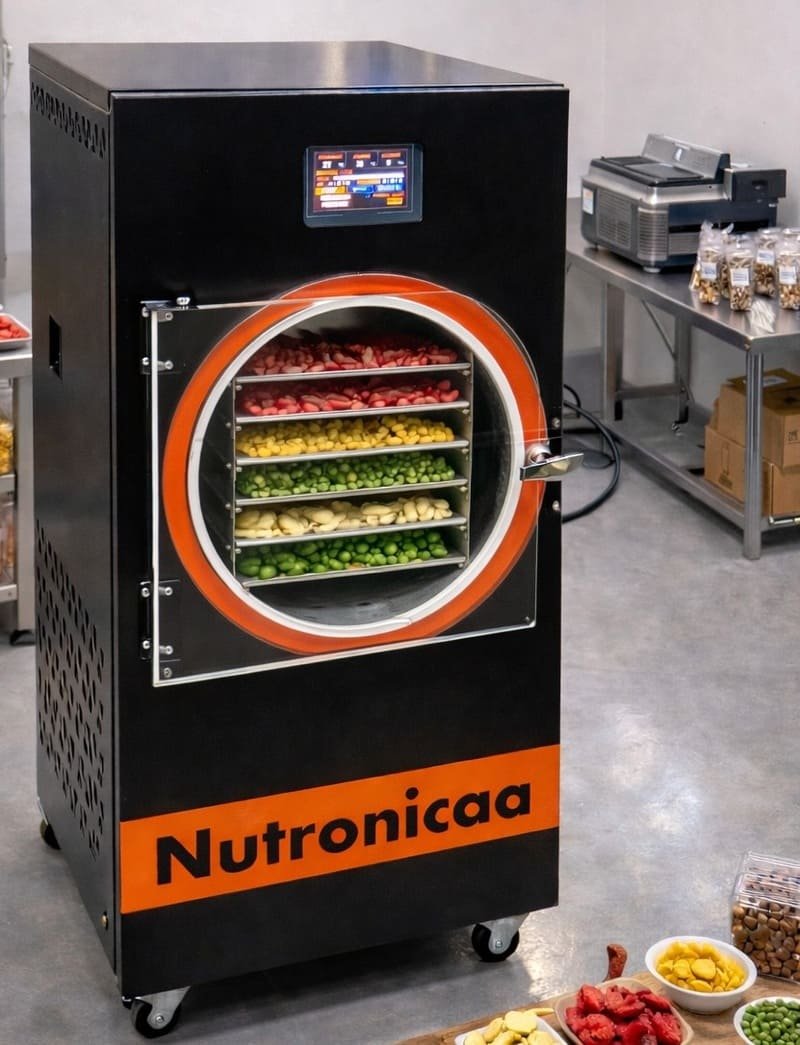
NT-5T Freeze Dryer
Startup-friendly freeze dryer designed for small commercial freeze-dried food production.
View Product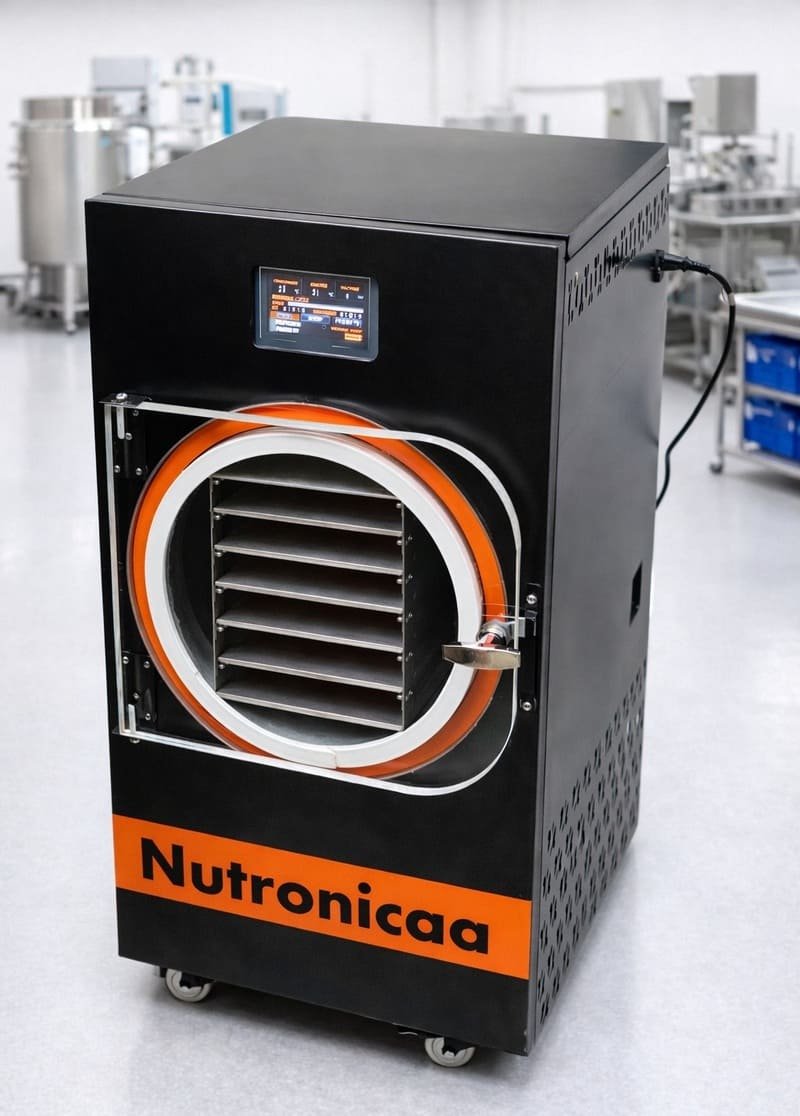
NT-6T Freeze Dryer
Higher capacity freeze dryer suited for growing food businesses and larger batch processing.
View Product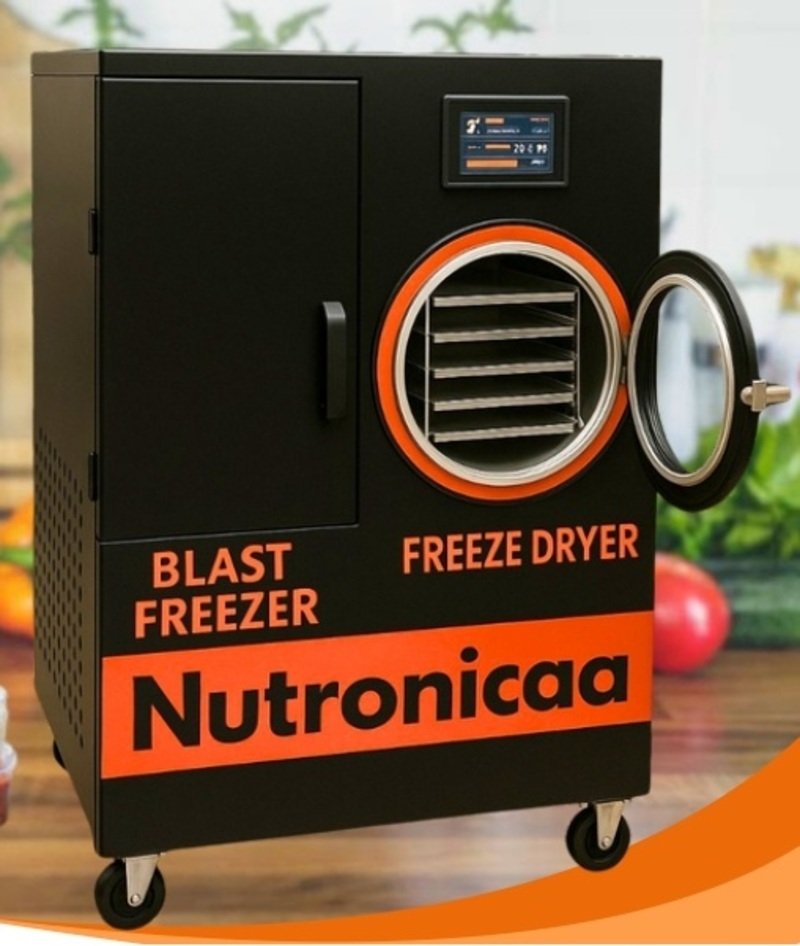
NT-Combo Lyo
Integrated blast freezer and freeze dryer system designed for structured freeze-drying workflow.
View ProductNot Sure Whether You Need a Freeze Dryer or a Dehydrator?
If you want to understand which system is better for your product type, business model, and quality goals, Nutronicaa can help you evaluate the right direction practically.